


Delaware’s Early Literacy Plan Needs Clearer, More Timely Reporting

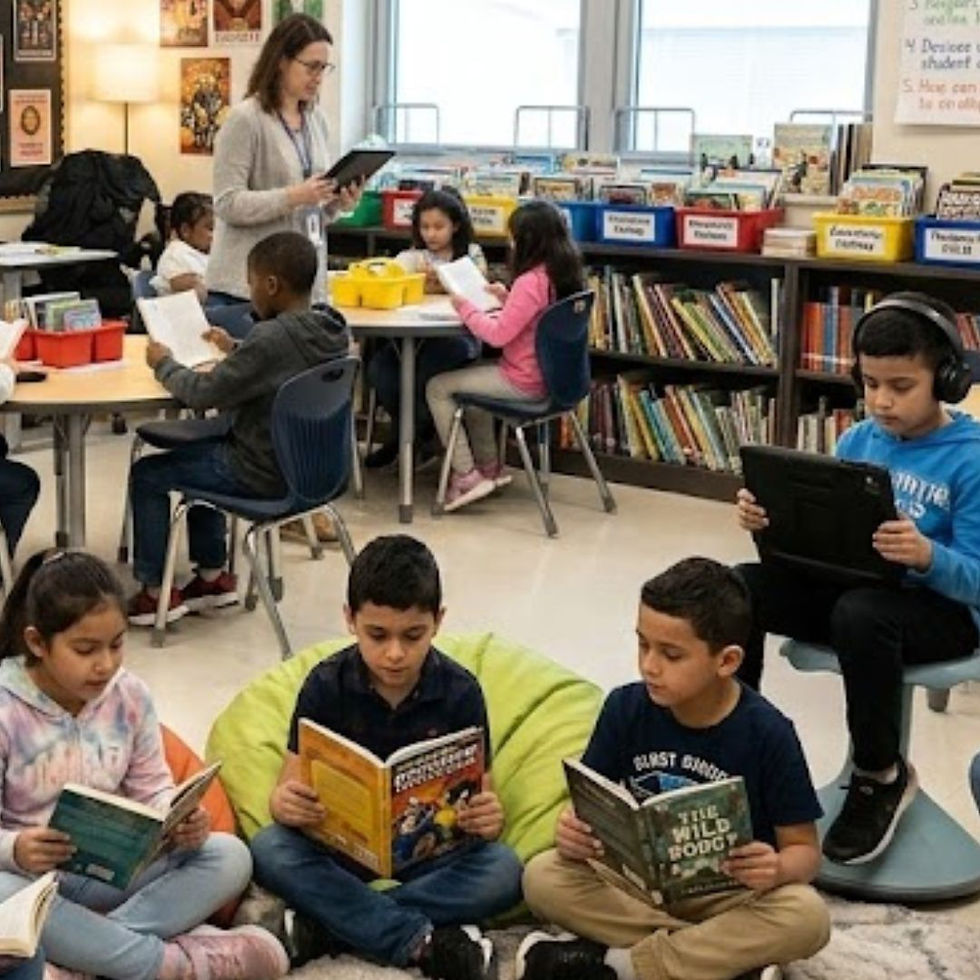
Delaware’s push to strengthen early literacy is a step in the right direction, but it is not yet clear whether the recent $8 million initial investment will yield the kind of urgent and meaningful progress students need. According to the Delaware Department of Education’s (DDOE) 2025–2028 Early Literacy Plan, only 38% of third graders currently read at grade level on the state’s reading assessment, and the state aims to raise that to 53% by 2028.
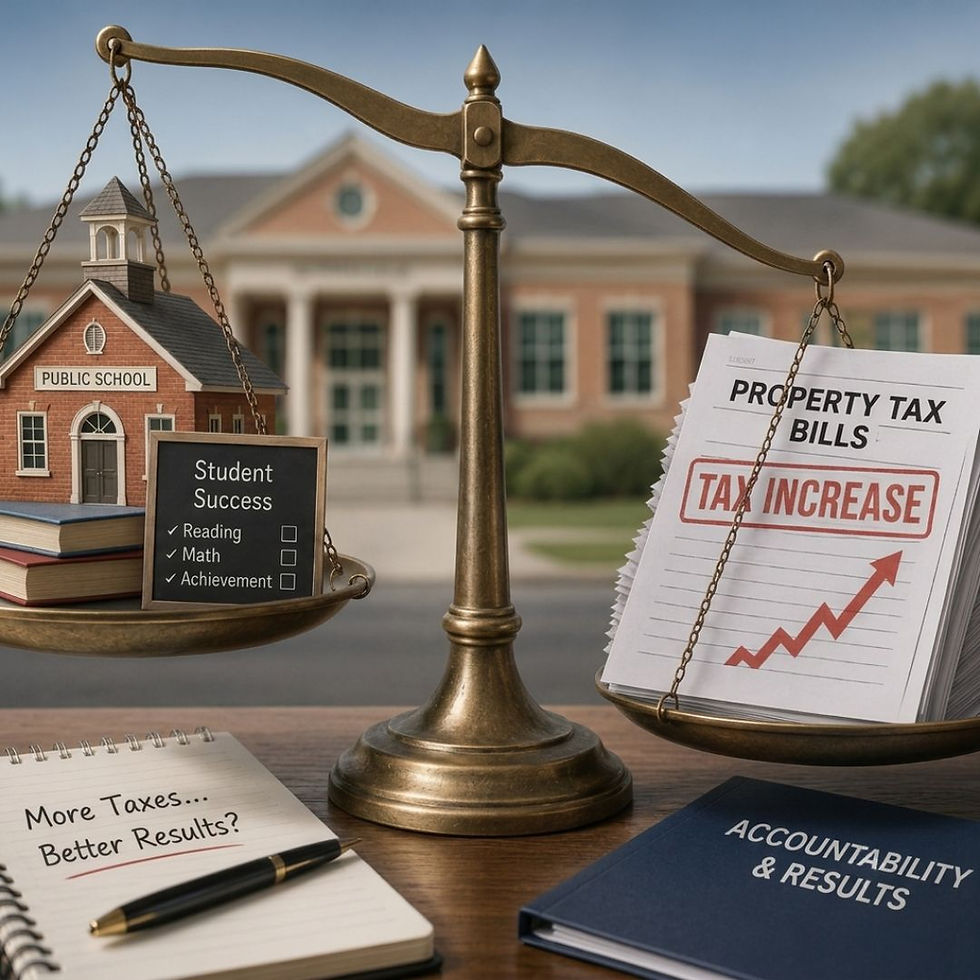
Is that achievable? We support the ambitious target, but worry that without transparent accountability it will be hard to know what’s working and what isn’t.
That question matters because third grade reading is a critical benchmark. A 2011 study by researcher Donald J. Hernandez at the Annie E. Casey Foundation found a strong link between third grade reading proficiency, poverty and high school graduation rates. The study found that one in six children who were not reading proficiently by the end of third grade failed to graduate on time, with even higher rates among children living in poverty.
While the DDOE reports that only 38% of third graders meet the state reading benchmark, a Caesar Rodney Institute analysis of K-3 screening data, summarized in Table 1, finds that only about 40% of all K-3 students can read at their grade level. Simple math tells us that roughly 60% of Delaware K–3 students are still performing below the state’s reading benchmark, based on results from the past three school years. If this pattern continues, Delaware is unlikely to meet its own third-grade reading goals without clear evidence that current interventions are helping students catch up.
Delaware has identified struggling students
Delaware has taken initial steps to track early literacy progress by collecting universal K-3 reading screener results from all elementary schools starting in the 2023–24 school year. These reports show, by grade and school, how many kindergarten through third-grade students are identified with a potential reading deficiency, which benchmark categories they fall into, and which interventions their school is providing.
In this article, students scoring “well below” or “below” the state reading benchmark on the screener are defined as struggling readers.
As the table below shows, across three years of reporting, approximately 60% of K-3 students statewide are identified as struggling readers each year. That raises basic questions about how well current interventions are working and whether students are catching up quickly enough.

The public still needs a clearer picture of student progress
During our research on the state’s website, including its open data portal, we were not able to find any public reporting on how K–3 students identified by the universal reading screener are actually doing over time.
Families, educators and lawmakers need more than just a count of how many students are identified. They should be able to see how many of those students receive ongoing support, how many reach grade-level reading after intervention, which interventions are working, and how many continue to struggle even after getting extra help.
With approximately 60% of Delaware K–3 students below benchmark each year, the state is unlikely to meet its own third-grade reading goals without effective interventions and stronger accountability for results.
Other states are already using their K–3 screening data to report reading outcomes over time. For example, Louisiana publishes annual K–3 reports showing how many students reach proficient reading levels on statewide screeners, and Mississippi reports how many students meet its third grade promotion standard each year. Delaware is behind other states in providing transparent outcome data.
Conclusion
Effective policy starts with early identification and intervention. It must provide effective support, track progress and assess what is working and not working in order to deliver the right outcomes at a reasonable cost. What is needed now is for the public to be able to understand if early literacy interventions are helping students improve over time.
Lawmakers have a chance to strengthen this system now. On Jan. 13, 2026 House Bill 267 was introduced. It would require districts and charter schools to report, three times a year, how many K–3 students at each school are flagged by the reading screener as behind, and what extra reading help they are getting. That kind of regular, school‑level reporting is a step toward the accountability families need, especially if it is paired with public reporting that tracks how many of those students actually reach the reading benchmark within a year.
The Delaware General Assembly is currently on Spring Recess until April 14, 2026, and we will continue to monitor the bill’s progress when lawmakers return. Next, Delaware will also have to confront an uncomfortable question: what happens when a student still is not reading at grade level by third grade?
NOTE: The DDOE’s 2025-28 Strategic Plan also commits to launching a public dashboard in the fall of 2026. These are positive developments that lay the groundwork for a more transparent early literacy system, but the public needs actionable information now.


Comments